Glass vs Plastic Bottles: What Your Personal Care Customers Actually Prefer
Choosing the right packaging can greatly shape how personal care customers perceive your brand. The debate between glass vs plastic bottles often centers on presentation, durability and cost. By understanding these differences, small brands can confidently select containers that meet both customer expectations and product needs.
Customers increasingly notice both visual appeal and practical benefits when selecting products. Glass conveys sophistication and quality, while plastic offers convenience and reduced shipping risks. Comparing glass vs plastic bottles allows brands to make informed decisions that satisfy customers effectively.
Glass vs Plastic Bottles and Consumer Perception
How customers perceive your brand largely depends on the packaging choices you make. Glass bottles communicate premium quality and attention to detail, making products feel more luxurious. On the other hand, plastic bottles convey practicality and accessibility, which appeals to everyday users.

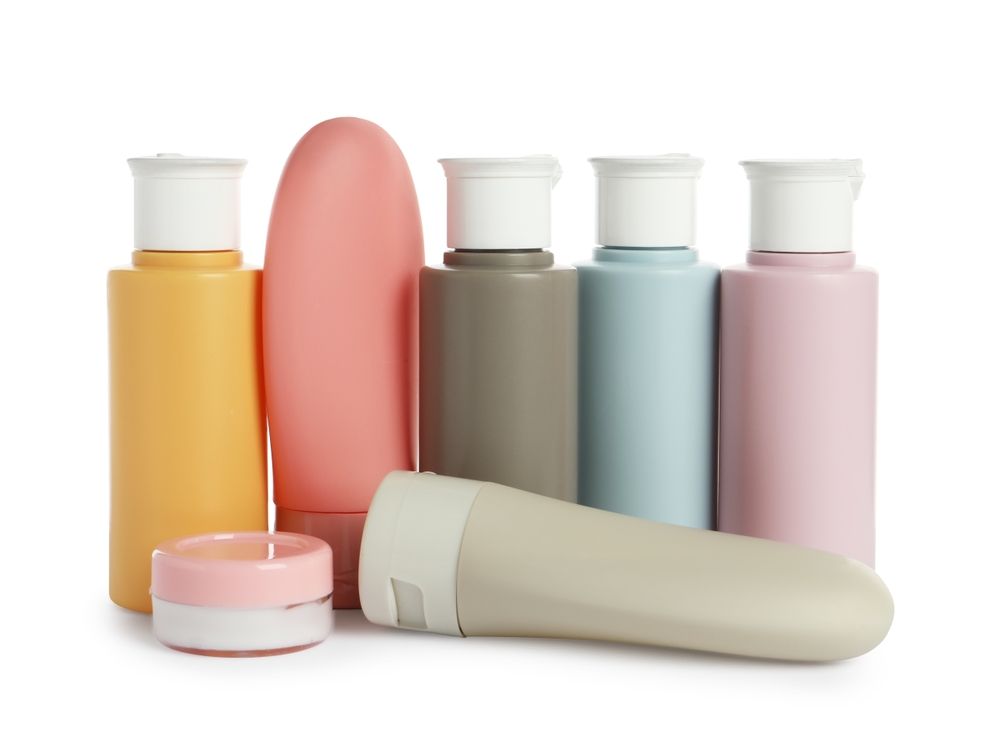
Weighing the environmental impact of glass vs plastic bottles is essential for sustainable branding (Shutterstock).
Additionally, material choice influences trust and overall brand image. Customers often associate glass with high-end ingredients and careful formulation. Conversely, plastic requires thoughtful design and durable closures to signal quality. Therefore, understanding these distinctions helps brands present products in ways that resonate with their audience.
Sustainability Messaging in Glass vs Plastic Bottles
Eco-conscious consumers increasingly value packaging that demonstrates environmental responsibility. For instance, glass bottles are fully recyclable and can be reused repeatedly without losing quality, making them a strong sustainability choice.
Plastic bottles also support environmentally friendly practices when made from recycled materials or offered through Precycle® programs. In fact, McKernan offers a meaningful PCR packaging line including 100% PET PCR bottles and jars, recycled HDPE bottles and PCR sprayers and caps. Clear labeling and honest messaging further ensure customers understand the packaging’s impact. Overall, transparent communication builds credibility and strengthens brand loyalty.
Cost Implications for Small to Medium Businesses
Packaging choices have significant impact on a brand's budget and operations. Comparing glass vs plastic bottles helps small businesses balance quality with financial constraints while maintaining customer satisfaction.
- Material Cost: Additionally, glass typically costs more per unit than plastic, affecting overall product pricing.
- Shipping Cost: Moreover, glass is heavier and more fragile, which increases shipping fees. Plastic bottles reduce transit expenses.
- Bulk Purchasing: In comparison, ordering larger quantities lowers per-unit costs for both materials, making budget management easier.
- Customization Options: Furthermore, McKernan's Precycle® or Best Value products allow smaller brands to access quality packaging at competitive prices.
- Breakage Risk: As a result, glass is more prone to damage during transport. Plastic bottles withstand drops better, resulting in lower losses.
By considering these financial factors, small to medium businesses can select packaging that supports both product quality and profitability. Proper cost analysis ensures that wise decisions are made without sacrificing the customer experience.
Preservation Qualities for Serums, Oils and Potent Formulations
The material of a bottle directly affects the stability and shelf life of the product. Comparing glass vs plastic bottles reveals how formulations respond to light, air and other environmental factors.
- Barrier Protection: For example, glass can limit UV exposure, preserving product potency. Plastic may need tinted options for light-sensitive ingredients.
- Inert Material: Similarly, glass typically doesn't react with formulations, ensuring product integrity. Certain plastics may have chemical interactions with specific formulations or may require additives to avoid this issue.
- Leak Prevention: In addition, proper closures and liners prevent spills for both glass and plastic bottles.
- Clarity and Appearance: Clear glass and PET bottles enhance product visibility, while colored glass and plastics protect sensitive formulas.
- Shelf Life: Overall, glass generally extends product longevity. Plastic must be selected carefully to maintain stability.
Understanding preservation qualities helps grands choose bottles that maintain effectiveness and appeal. This ensures customers receive high-quality products with optimal performance.
Durability and Breakage Concerns in Shipping
Shipping logistics are also a factor in determining the best solution between using glass or plastic bottles. Comparing glass vs plastic bottles highlights how each material handles handling, stacking and transit.
- Glass Fragility: For instance, glass can break on impact, requiring careful packaging.
- Plastic Resilience: In contrast, plastic bottles resist drops and pressure, reducing shipping damage.
- Weight Factors: Glass adds weight, increasing shipping costs. Plastic is lighter and easier to handle.
- Customer Experience: As a result, intact packaging ensures satisfaction and maintains trust.
- Storage and Handling: Overall, both materials can be stacked efficiently, but extra care is needed for glass to avoid chips or cracks.
When neither plastic nor glass seems like the perfect fit, acrylic jars can be a happy medium by having a glass look and feel without the fear of breakage like glass jars. Focusing on durability ensure products arrive safely, minimizes returns and preserves brand reputation. Proper handling strategies protect both the product and customer experience.
Packaging Solutions That Support Your Business
Ultimately, choosing the right bottle depends on your products, customers and budget. By comparing glass vs plastic bottles, personal care brands can make informed decisions about perception, sustainability, preservation and shipping reliability.
McKernan Packaging Clearing House offers high-stock glass and plastic bottles, Precycle® options and low minimum orders to support small to medium businesses. With compatible closures and custom dip tubing, personal care brands can package serums, oils and other products confidently. To explore practical packaging solutions that improve sustainability, reduce breakage and enhance product presentation, reach out to McKernan here.