Serums & Essential Oil Bottles: Which Types Keep Your Formulations Stable?
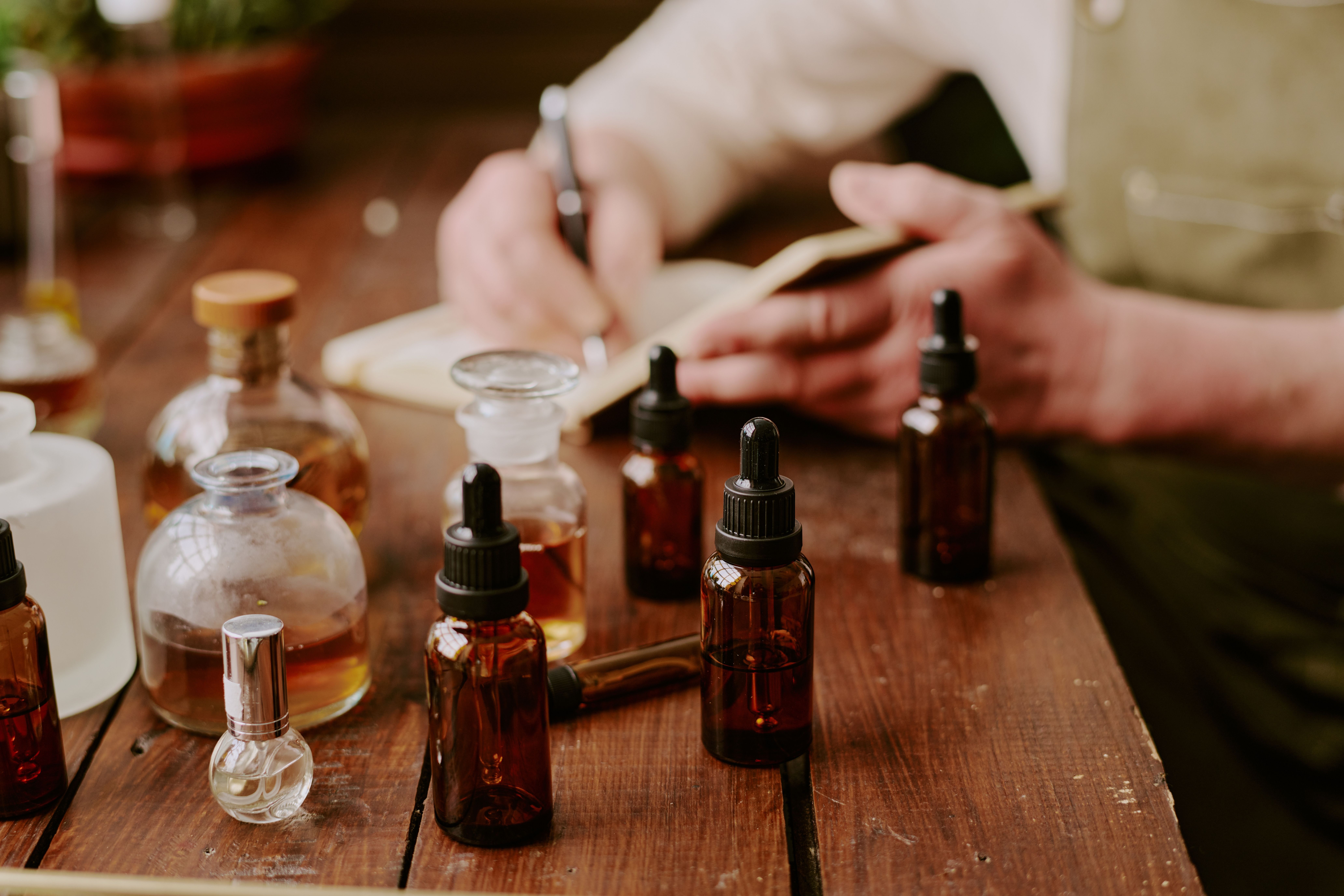
The Power of UV-Protective Glass for Essential Oil Bottles
Many active ingredients break down when exposed to sunlight, making UV protection essential. Amber and cobalt glass bottles stand out as top choices for essential oil bottles and serum packaging for good reason.
Amber glass blocks most harmful UV light, preserving oils, vitamins and natural extracts like a shield. Cobalt blue glass provides the same protection while adding a vibrant, premium aesthetic to product lines. These bottles safeguard ingredients while enhancing visual appeal. Essentially, function and beauty work together to elevate your brand.
The growing demand for natural personal care products makes UV-protective essential oil bottles a smart investment. Brands that prioritize quality packaging maintain stronger reputations and meet evolving consumer expectations. It's a win-win.
Airless Options for Sensitive Formulations
Closure and Material Compatibility for Essential Oil Bottles
Caps, droppers and liners deserve as much attention as the bottles themselves. Even minor compatibility issues can compromise product stability over time.
Key considerations include:
- Droppers: Verify that rubber or silicone bulbs won't react with your formula.
- Caps and Liners: Polypropylene (PP) or polyethylene (PE) materials work well with most oils
- Pumps: Select components that resist corrosion and chemical reactions
- Seals: Ensure tight closures that block air and moisture
- Testing: Always test packaging with actual formulas before bulk ordering
Storage and Handling Tips
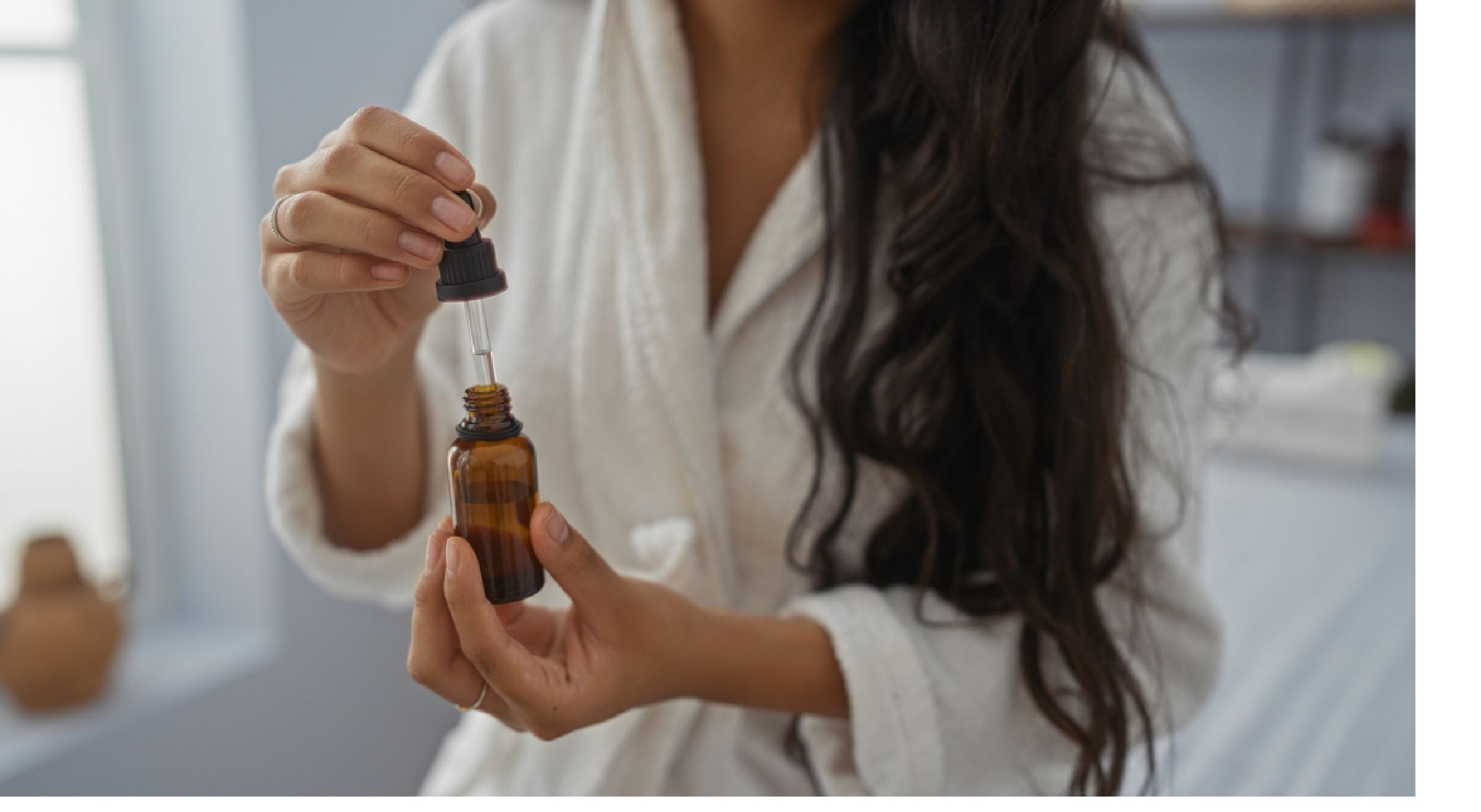
Maximizing Product Life with the Right Bottles
In summary, here's what makes the biggest difference in formula stability and safety:
- Use UV-protective glass: Amber or cobalt glass shields against damaging sunlight
- Consider choosing airless bottles: Vacuum systems keep air out and extend freshness
- Test material compatibility: Verify that droppers, caps and liners work with your formula
- Store properly: Cool, dry, dark environments preserve product quality
- Label and track: Mainain accurate records of batch ages and production dates.
McKernan Packaging Clearing House makes compatibility testing straightforward with low minimums and sample options, allowing you to confirm everything works harmoniously before full production.
Your Formula Deserves Better Than a Basic Bottle
The difference between a product that sits on shelves gathering dust and one that earns five-star reviews often comes down to what happens before a customer even opens it. When essential oil bottles are chosen strategically, the product inside stays potent from production to final drop.
With UV protection for light-sensitive ingredients, airless systems for oxidation-prone formulas and compatible closures that actually seal, McKernan specializes in matching formulations with the right protection. Whether you're launching a vitamin C serum that needs amber glass or a botanical oil blend that requires airless dispensing, McKernan's range covers everything from UV-blocking bottles to complete testing samples that let you verify compatibility before committing to thousands of units.vercommitting resources. This allows you to stay nimble as consumer preferences shift.
Your formulation is only as stable as the bottle protecting it. Explore our collections online or reach out for assistance in selecting the perfect match for your product.